The Sleep Prescription: Why Rest Is the Most Underrated Longevity Input
Adult dogs need 12 to 14 hours of sleep. Seniors need 16 to 18. The quality of that sleep is doing more biological work than almost anything else in their day.
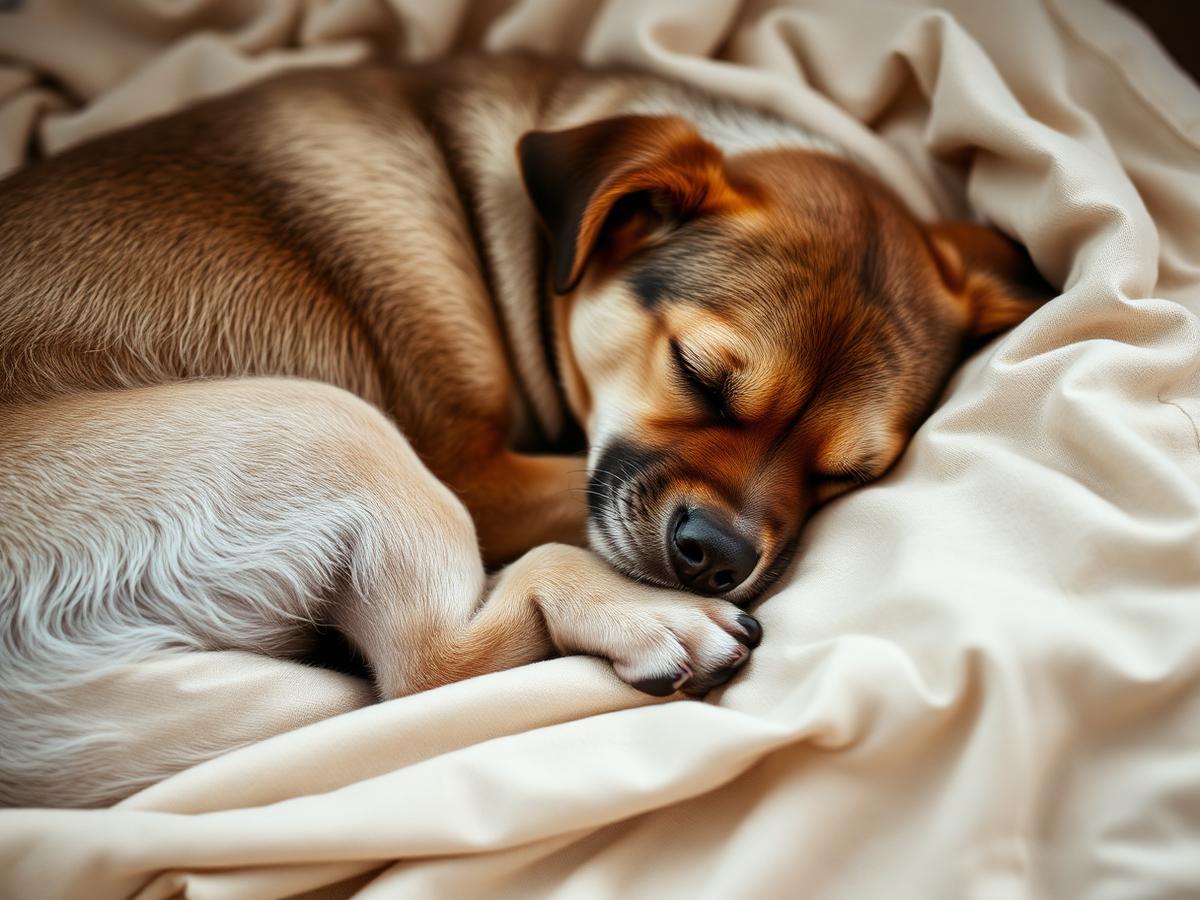
Sleep is when the cellular maintenance work happens. Glymphatic clearance — the brain's process for flushing metabolic waste, including the proteins implicated in cognitive decline — runs at roughly ten times its waking rate during deep sleep. Growth hormone pulses peak. Joint inflammation resolves. Memory consolidates.
What disrupts canine sleep
- Inconsistent bedtime — dogs entrain to schedules even more strongly than humans.
- Pain — undertreated osteoarthritis is the most common silent disruptor in dogs over eight.
- Light exposure at night — even ambient household light measurably reduces deep sleep duration.
- Late evening meals — a stomach digesting at 11 p.m. is incompatible with deep sleep.
Building a recovery environment
An orthopedic bed with at least four inches of memory foam matters more than most people think — particularly for senior dogs whose pressure points wake them every few hours on a soft conventional bed. Cool, dark, predictable. The same things that make human sleep work make dog sleep work.
If you fix one thing this month, fix the bed. The downstream effects are larger than any pill we currently sell.