Movement Is Medicine: The Cellular Case for the Daily Walk
What an hour of sniffing, trotting, and exploring actually does to a dog's mitochondria, brain, and joints — and why intensity matters less than you think.
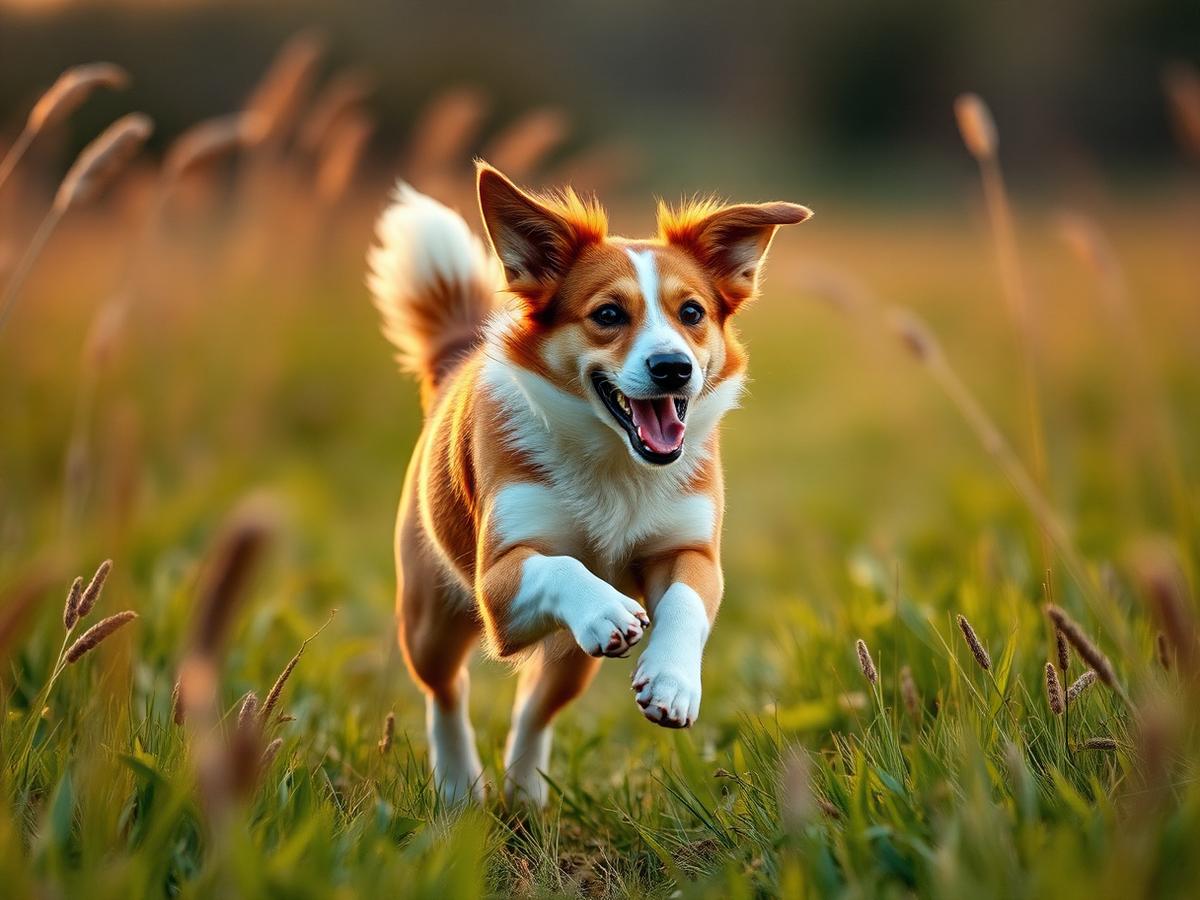
There is a quiet consensus in canine sports medicine that the best exercise for a healthy dog is also the most boring one: a long, varied, low-intensity walk. Not a run. Not a fetch session. A walk.
The mitochondrial argument
Mitochondria — the cellular structures that produce energy — decline in both number and quality with age. Sustained aerobic activity at conversational intensity is the single most reliable trigger for mitochondrial biogenesis, the body's process for building new ones. Dogs respond to this stimulus more readily than humans do, but the mechanism is identical.
Twenty extra minutes a day of walking, sustained over a year, produces measurable changes in muscle biopsy. There is no supplement with that signal-to-cost ratio.
Why sniffing counts as exercise
Olfactory work activates roughly a third of a dog's cortical real estate. A 30-minute sniff walk produces the same self-reported tiredness as a 60-minute power walk, with a fraction of the joint load. For senior dogs and dogs with early arthritis, this is the most underused tool in the toolbox.
The intensity question
High-intensity exercise has its place — but in young, structurally sound dogs, not as a longevity strategy. The data on weekend-warrior injury patterns in dogs mirror the human data closely. Frequency beats intensity. Consistency beats heroics.